Digital Skills Training Programme 2025
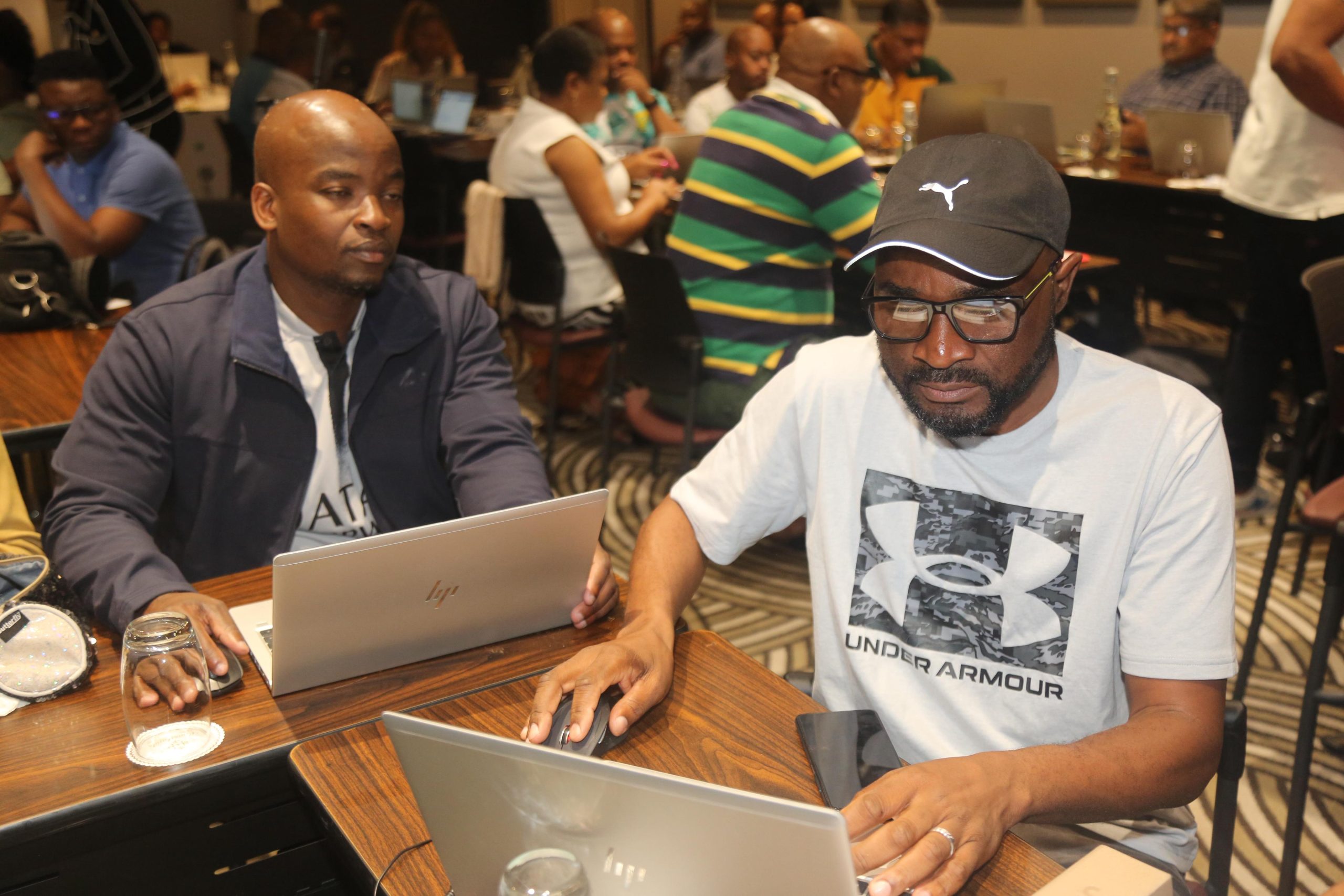
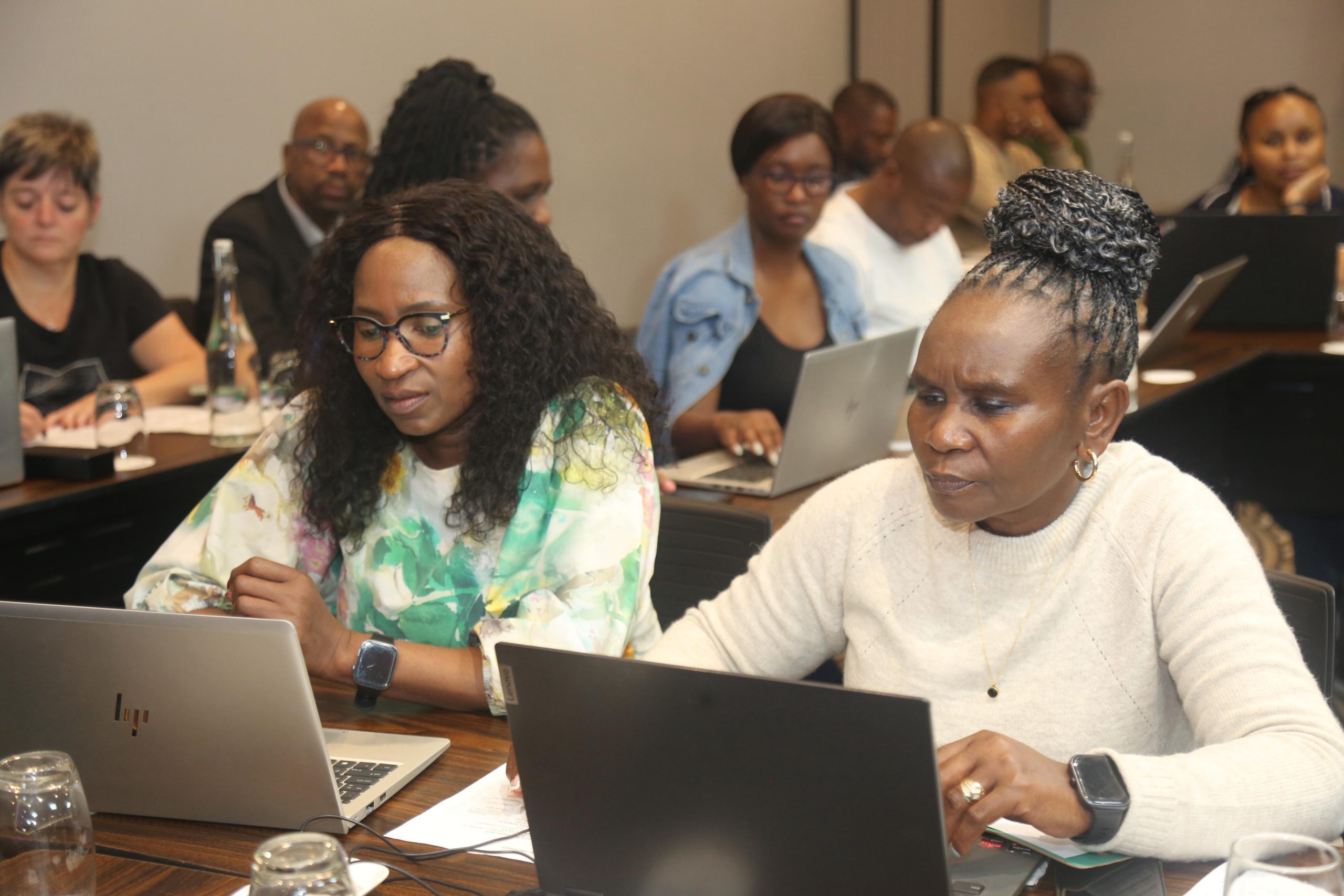
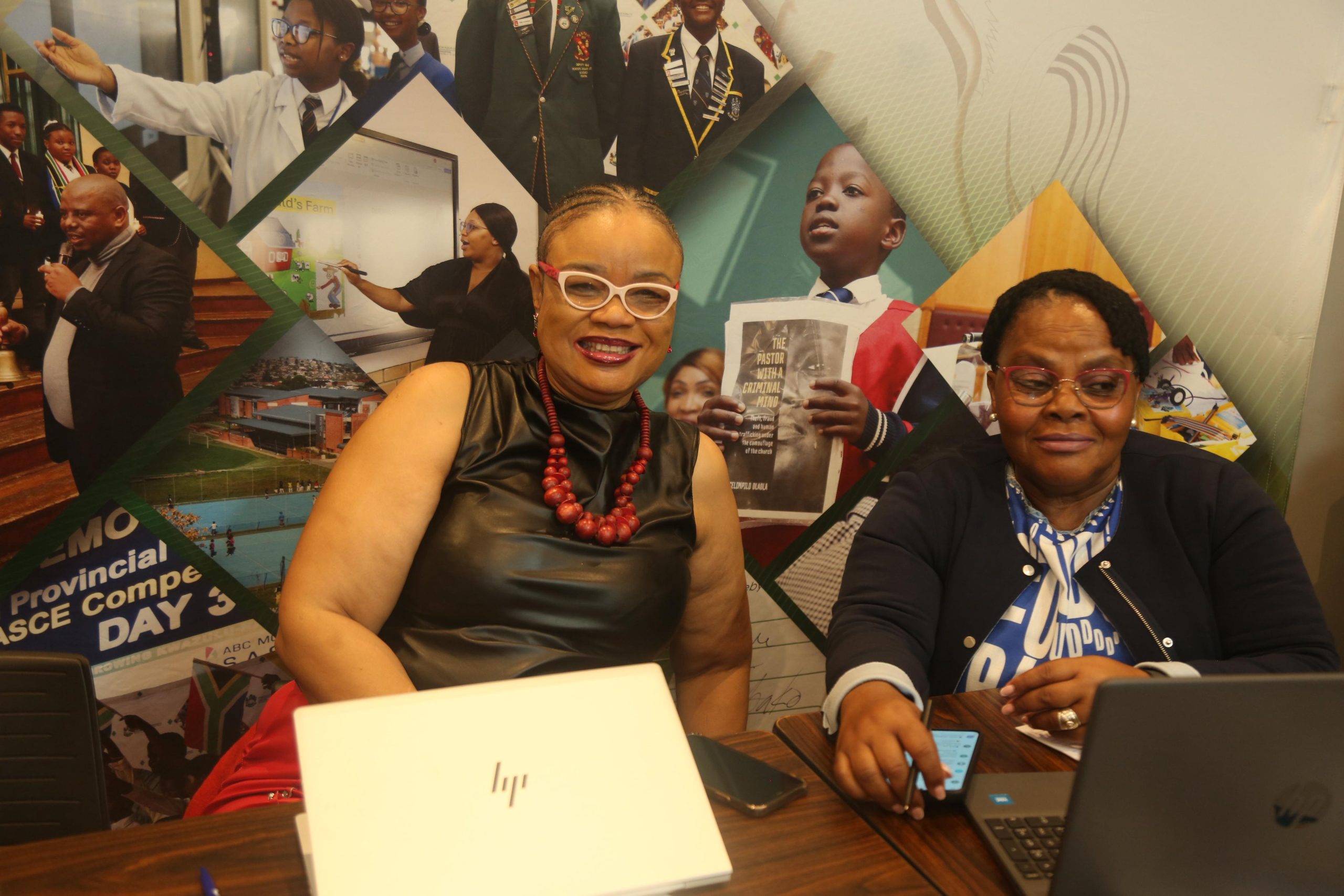
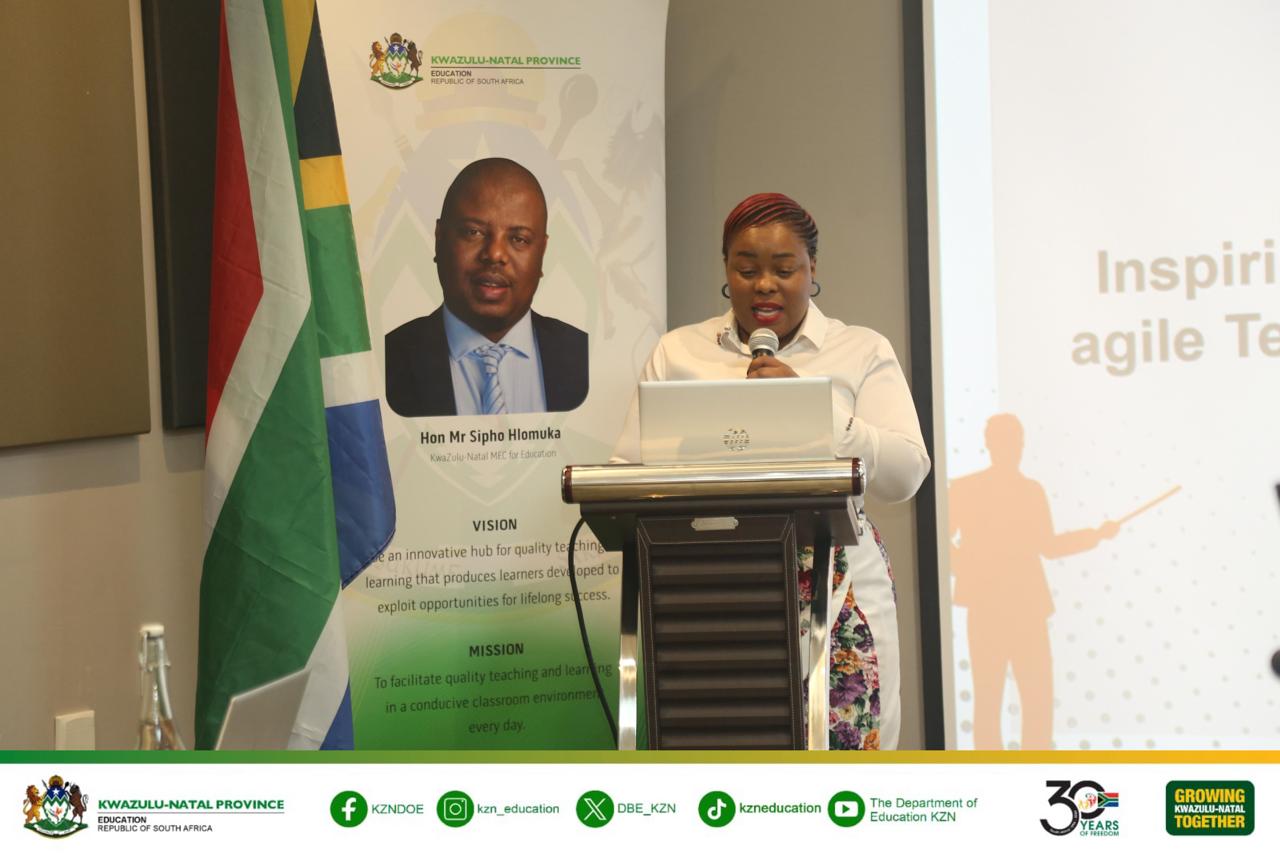
Day 2 – The KwaZulu-Natal Department of Education held a Capacity Building Workshop for all Districts in the Province of KwaZulu-Natal in partnership with its partners.
Mr Mandla Tshabalala, Deputy Chief Education Specialist, Teacher Development, Head Office welcomed all present.
Mr Sifiso Dlamini, Deputy Chief Education Specialist, Centre Manager, Phungashe DTDC UGU, recapped matters discussed on Day 1 and reminded everyone that the Workshop is a refresher Workshop to go empower the educators on hot to utilise Microsoft 365.
Mr Dlamini emphasized, that everyone must ensure that they have credentials to log into Microsoft 365 at anytime.
Acting Chief Director: Curriculum Development Programmes, Mr Skhumbuzo Mangaye welcomed all present to the workshop and reminded everyone that the core mandate of the Department is teaching and learning.
Mr Mangaye expressed his appreciation to VVOB for their commitment and continuous support to the Department.
“Digital skills sharpen the educators. Let us all rise to this opportunity to sharpen our skills. Even if you are about to exit the Department, do your best and push it until your last day/hour until you leave,” said Acting Chief Director: Curriculum Development Programmes, Mr Skhumbuzo Mangaye.
Mr Gerald Roos from Department of Basic Education (DBE) elaborated on matters regarding online teacher development platform. Micro learning platform has been operational since 2022 and provides self-initiated professional learning.
“You can be on-the-go and access Microsoft 365 anywhere, anytime and on any device,” said Mr Gerald Roos.
Mr Alberto Lara from Department of Basic Education (DBE) presented an overview of Online Information Communication Technology (ICT) integration programmes and explained how to use “DBEcloud” for content development. Mr Lara eluded, that content must be created in an appealing way for learners. AI (Artificial intelligence) can summarize the content which makes it easier for someone to read and get most important parts of information without having to physically read through an entire document.
Dr Rannosi Motene from Department of Basic Education (DBE) emphasized the importance of using Artificial Intelligence (AI) responsibly.
“Responsible use of AI in Education focuses on ethical integration that enhances learning experiences, fosters inclusiveness and promotes fairness amongst learners,” said Dr Rannosi Motene.
It prioritizes transparency, accountability and data privacy ensuring that AI tools benefit all learners. Education is the most important part of our governance, Learners need to be involved in discussions about AI ethics and must be encouraged to think critically about implications of AI technology and its impact on their learning environment.
Studies show that learners often respond better to visual stimuli, leading to improved academic performance amongst each other. Information Communication Technology (ICT) integration enhances the educational process by utilizing various digital tools that facilitate learning across different subjects.
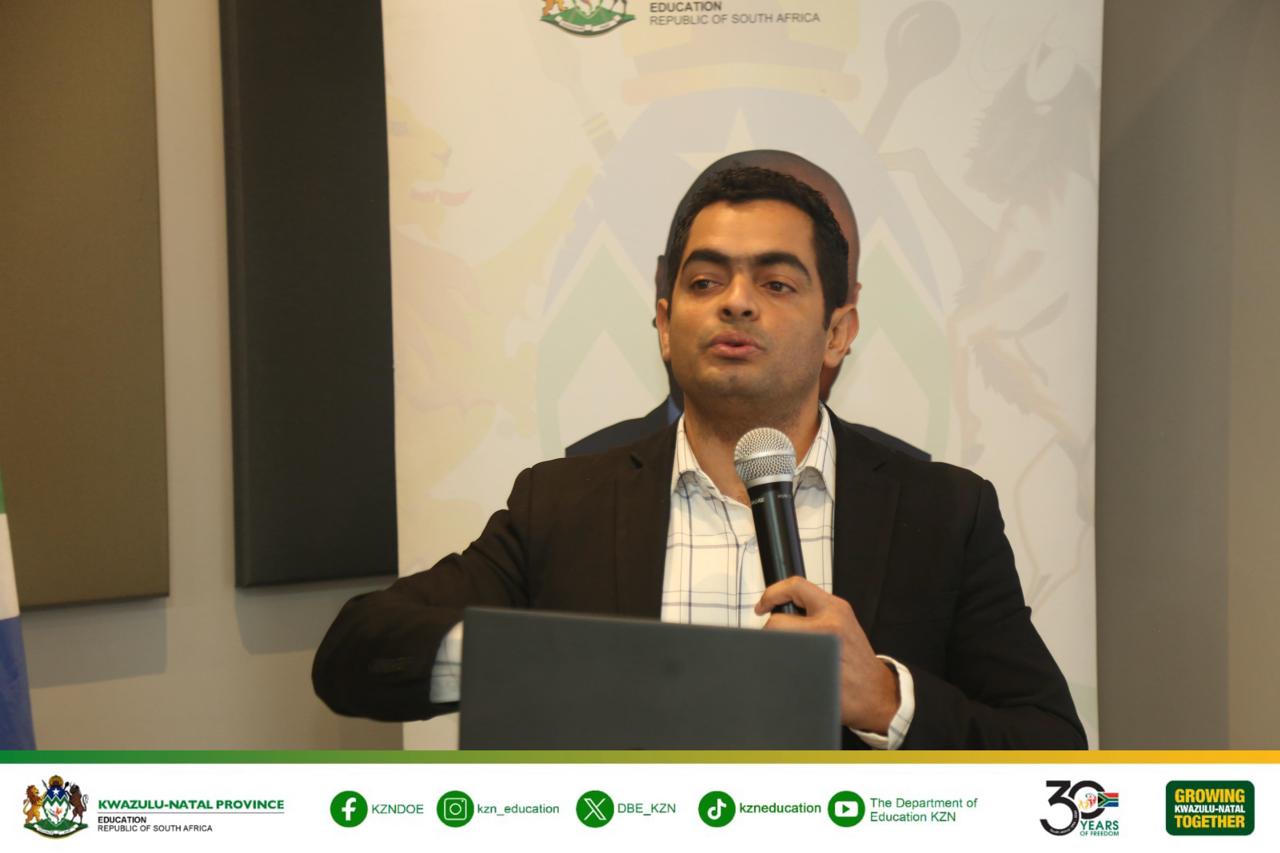
Mr Henre Benson, Strategic Education Advisor, Online and Blended Learning, VVOB emphasized the importance of educators registering for courses offered, it reflects possibilities and realities of blended CPD for teachers and school leaders, potential for cost efficiency, scalable approach to CPD and will help identify trends, possible barriers and blockages.
Blended CPTD modality consists of ongoing monitoring and support through retention, motivation and engagement strategies.
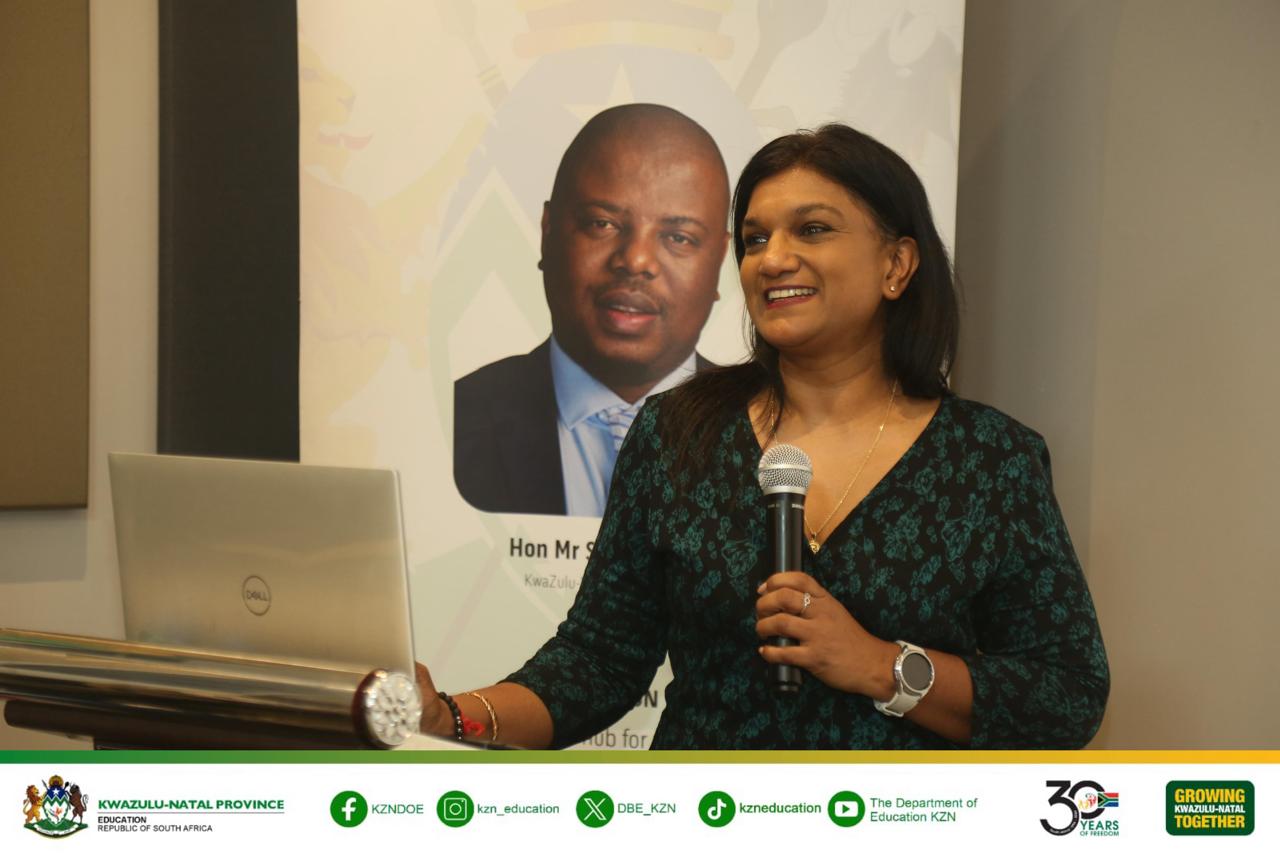
Ms Omashani Naidoo, Executive Director: Schoolnet South Africa expressed the importance to integrate ICT into teaching practice to embrace teaching and learning. It’s important to know your context, be practical, expand your Tool-kit, facilitate learning, reflect and debrief. In conclusion said, “Be responsible with your resources.”
Ms Tuzana Sophethe, Acting Head Professional Development and Ethics, SACE, South African Council for Educators, stated, that their purpose is to enhance public confidence in the credibility of the teaching profession.
SACE will assure the quality of continuing professional development activities through the accreditation of providers that meet specified criteria and will monitor providers through feedback from educators who have participated in such Programmes.
SACE has an overall responsibility for the implementation, management and quality assurance of the CPTD system.
Ms Sophethe emphasized the importance that educators must submit proof of all registered courses or activities that they have completed to receive their accreditation points.
Mr Mandla Tshabalala concluded the session by thanking everyone for their participation and co-operation.
Venue: Coastlands Skye Hotel, Umhlanga.
Date: 17 July 2025.